
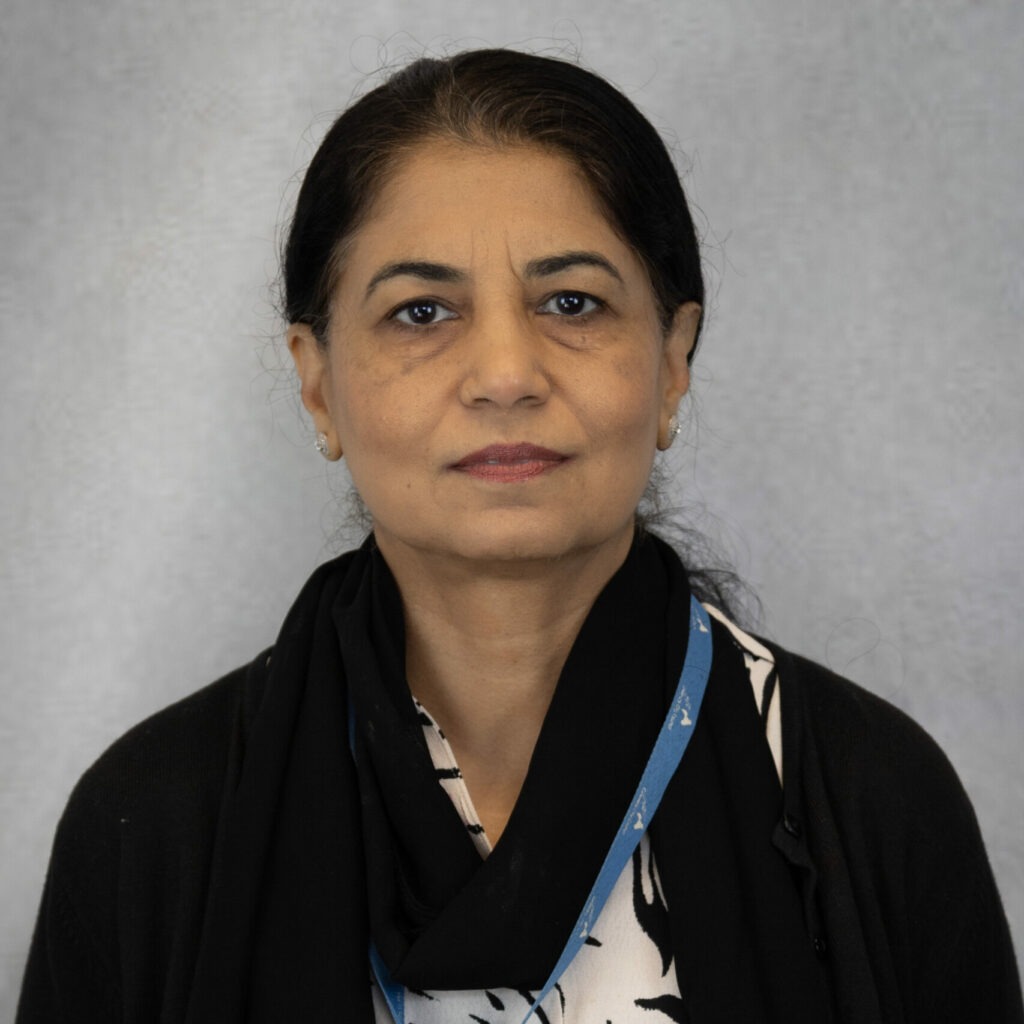
Dr Ayesha Shahid in her recently co- authored article with Professor Shaheen Sardar Ali (University of Warwick) and Dr Justin Jones (Oxford University) available in Jahrbuch für islamische Rechtswissenschaft (Yearbook of Islamic Law), edited by Cefli Ademi and Mathias Rohe and published by C.H. Beck/Munich in 2020, examines practices regarding Muslim marriages (nikāhs) in Britain
In Britain, entry on the civil register is required for a Muslim marriage to be recognised as a valid marriage. However, some Muslims do not register their marriage and live in nikāh-only marriages. This article draws upon multiple pieces of research to investigate whether decisions not to register are informed and conscious. This includes surveys, focus group discussions and academic conference panels. The results clearly highlight the plurality and diversity of both Muslim thought and conduct in contemporary Britain, and finds that Muslims are developing a number of ‘new’ Muslim marriage practices, such as taking out a nikāh-only marriage as a means of validating a dating relationship. The article concludes with reflections on possible responses to the considerable challenges in accommodating Muslim and civil laws of marriage.
In Muslim majority jurisdictions, as well as countries where Muslims form a minority population (such as Britain), Muslim marriages (nikāhs) are conducted in a variety of ways. These include ‘oral’ marriages with no written record, or marriages for which written nikāhnāmahs (marriage certificates) have no official recognition. They also include marriages where nikāh is recorded by filling out and signing pre-printed marriage contracts in the presence of an official of the state, such as is prevalent in most jurisdictions in the Muslim world and beyond. However, while in most Muslim majority jurisdictions there is a standard procedure for ensuring that a nikāh marriage gains formal recognition by the authorities, this is less the case in Europe, and especially in Britain. In Britain, entry on the civil register, separately from a nikāh, is required for a Muslim marriage to be recognised as a valid marriage; yet, there is little by way of an institutionalised legal mechanism to ensure that this happens. Therefore, a different dynamic relating to marriage comes into play among Muslim communities in Britain and other European jurisdictions, with attendant complexities regarding what constitutes a valid marriage and what does not. The debate about Muslim marriages seems to have intensified in recent years in Britain, as in many European nations. In particular, there has been considerable discussion of the apparent reluctance of some Muslims to register their nikāh marriages with the civil authorities. Why do many Muslims take out nikāh-only marriages, and why is formalising a nikāh through registration resisted by some British Muslims? Moreover, is this act of contracting an unregistered nikāh – often in the full knowledge that such a marriage does not carry official recognition, and with the full and free consent of both partners – an informed, conscious and new iteration of Muslim family law in England and Wales? This is the key question that the authors seek answers to, and one that potentially offers important insights into the way forward for Muslim family law in non-Muslim jurisdictions including Britain. These central questions also lead to further questions that the state has to engage. How far should Muslims be able to live under the jurisdiction of laws derived from their religious traditions in matrimonial and family questions, should they choose to do so? And, to what extent should modern states tolerate or accommodate the existence of these laws – for example, by permitting or recognising nikāh-only marriages and religious divorces within the legal system? Finally, what solutions might be suggested in bridging the gaps between official government policy and practice of Muslim communities in Britain? This paper touches on some of these additional issues.
Leave a Reply