
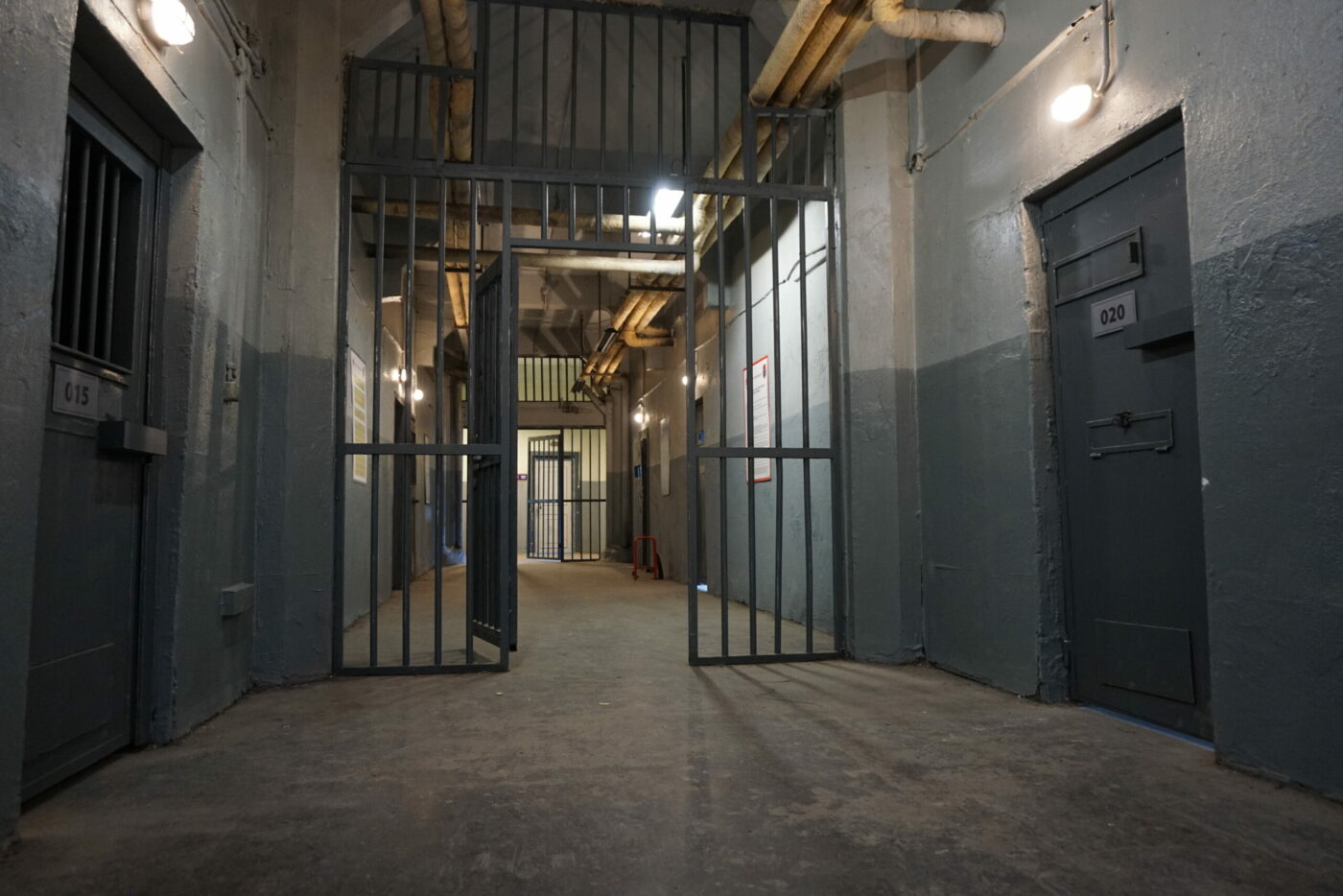
In a recent case (R (Abu) v Secretary of State for Justice [2025] EWHC 3026 (Admin)), the Justice Secretary and the prison authorities were found to have transgressed both their public law powers and human rights obligations by segregating prisoners. Importantly, the secretary (and her predecessor) was found to have breached Article 3 of the Convention (prohibition of inhuman and degrading treatment and punishment), in what is believed to be the first such ruling against a minister.
The facts and decision in Abu
The prisoner is serving a minimum 19-year life sentence for terrorism offences and is suffering from mental illness. Under Rule 45 of the Prison Rules, he was segregated from all other inmates from April until October – save for a short period when he was permitted to associate with one other prisoner. The decision to segregate him and other prisoners followed an attack on three prison officers by another prisoner – a terrorist involved in the Manchester Arena bombing – at a different prison. Following that incident, prisoners who had previously been housed in separation centres because of concerns that they might radicalise other inmates were segregated until responsible prison staff could be provided with protective body armour.
As a result, the claimant prisoner was locked in his cell for 22 hours each day and had no contact with other prisoners, and very limited contact with prison staff, mental health nurses and chaplains. The prisoner, who had existing mental health difficulties, claimed that this prolonged segregation had been severely detrimental to his mental health, referring to auditory hallucinations, panic attacks, suicidal thoughts and acts of self-harm, as well as the lack of timely psychological intervention. The claimant relied on psychiatric evidence that he had manifested symptoms consistent with complex post-traumatic stress disorder.
The claimant challenged the segregation decisions on five grounds: they were ultra vires the Prison Act and rules as the decisions were effectively made by the Secretary of State, instead of the Governors as the legislation required; a breach of the Tameside duty due to failure to inquire into the effects of segregation on the claimant’s mental health; a breach of Articles 3 and 8 (private life) of the European Convention on Human Rights; a contravention of the public sector equality duty (PSED) under the Equality Act 2010 to have due regard to the disproportionate impacts of the segregation decisions on Muslim prisoners; and procedural unfairness due to a failure to provide the claimant with even a gist of the intelligence material relied upon to segregate him. The High Court held as follows:
The judge upheld the claimant’s ultra vires claim because the decisions to segregate were not independently taken by the governors, and because decisions to segregate after a short period were effectively an implementation of the Secretary’s “central steer” policy. Thus, it was not open to the governor to make any other decision without the approval of the Secretary of State. Further, in the judge’s view, Rule 45 focused on the individual prisoner in the singular, so that any decision to segregate must involve individual circumstances. However, relief was refused as the judge felt that the governors would have made the segregation decisions even if the central steer had not applied.
With respect to the Tameside appeal, it was held that, considering research showing the deleterious effects of segregation on mental health as reflected in prison policy documents, there was no doubt that a prisoner’s health, including their mental health, was a mandatory relevant consideration for segregation decisions. Also, the claimant was known by governors to potentially have mental health issues, including trauma in his early life requiring trauma-related work. Thus, it was essential, and not just merely sensible or desirable, for a Tameside inquiry into the claimant’s mental health condition to be undertaken.
In finding a breach of Article 3, the judge found that the regime had subjected him to intense mental suffering which went way beyond the inevitable element of suffering inherent in segregation. Further, the mental health support provided to him had not mitigated his symptoms of trauma and distress. Although the segregation regime had a legitimate aim — to ensure the good order of the prison pending the arrival of protective body armour — the impact on the prisoner was so severe that it outweighed the risk that he posed to staff. In the judge’s view, although the same segregation regime would not have contravened article 3 in the case of a prisoner who had an ordinary level of mental health, it did so in these circumstances. Given the cumulative conditions experienced by the Claimant over a period of six months to the date of the hearing, including over four months in which he has not been permitted to associate with any other prisoner, and in the context of a prisoner who has a history of trauma and where there was a failure to obtain an assessment of his needs even though he was known to have mental health issues, and a failure to provide him with any therapeutic treatment to address his trauma, a contravention of Article 3 was made out. There was also a breach of Article 8 as the unlawfully made decisions were not in ‘accordance with law’ or justified in the circumstances, as required by Article 8(2).
With respect to the breach of the PSED, the judge noted that none of the segregation decisions made specific reference to the PSED, and no evidence was presented showing explicit consideration was given to it in making the decision to segregate or continue segregating the claimant. Thus, although the claimant’s needs as a Muslim was not completely ignored (he had access to an Imam and a Qur’an), there was an absence of consideration at the macro level as to whether the segregation decisions had an impact on the equality duty, and of the real and perceived impacts of Islam being treated in a particular way.
Finally, with respect to procedural unfairness, the judge found that the secretary and the governors had failed to present a gist of material obtained from Dynamic Risk Assessment Meeting (a multidisciplinary meeting including counter-terrorism analysts, an Imam, and a governor) so that the claimant could have made meaningful representations. However, the judge refused relief on the basis that the “central steer” policy meant that there was nothing the claimant could have realistically said which would have made a substantial difference.
Commentary and conclusions
Under Rule 45 prisoners may be segregated from other prisoners for their own safety or to promote good order and discipline within the prison. In addition, a prisoner may be placed in solitary confinement by prison authorities as part of a punishment. In such cases the authorities must comply with the necessary procedures, ensuring that the prisoner is not subject to segregation or confinement for inadequate or irrelevant reasons, and receives procedural justice before the decision is made. Such decisions can, therefore, be subject to judicial review to ensure that the authorities have acted legally (intra vires), rationally, and in compliance with the rules of natural justice and fairness.
In addition, decisions on segregation and solitary confinement must comply with the prisoner’s human rights, found in the European Convention on Human Rights as given effect in domestic law through the Human Rights Act 1998. Thus, such decisions must not pose an unnecessary risk to the prisoner’s life (under Article 2 of the Convention); or subject the prisoner to torture or inhuman or degrading treatment or punishment; or amount to an unnecessary interference with their right to private life (Article 8) or the right of association with others (Article 11).
Thus, any public law challenge (judicial review) will examine the legal powers to make that decision and their enforcement by the relevant public authorities to see whether the power has been exercised as Parliament wished. Whether there is a breach of any Convention rights will be determined by the national and European Couts; considering all the facts and whether the treatment exceeds the necessary effect and consequence of imprisonment and thus constates a violation (and whether it can be justified).
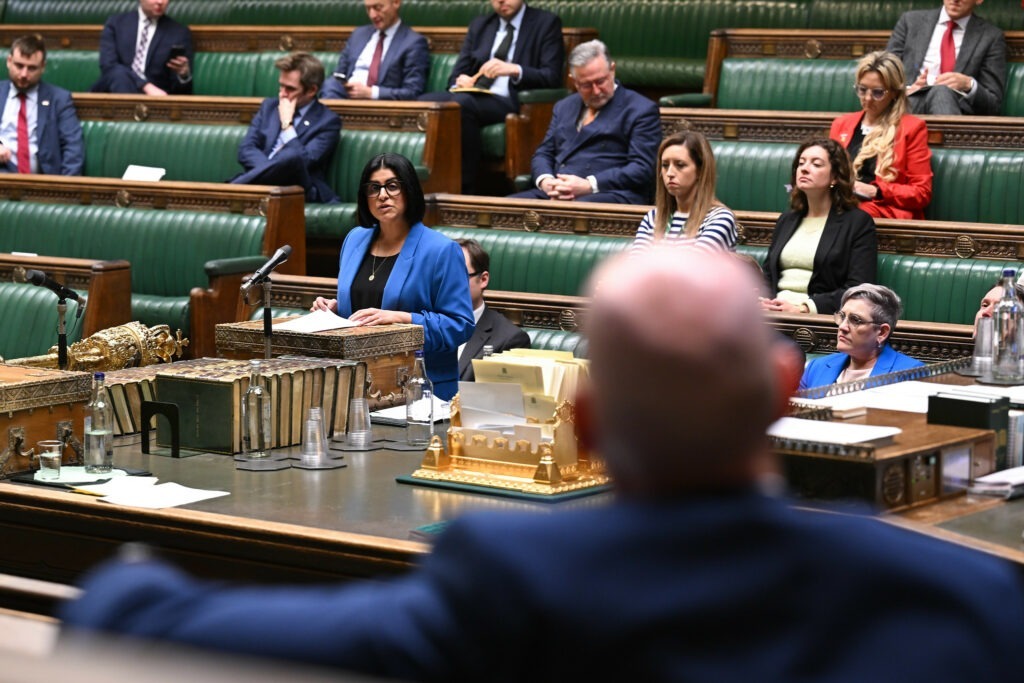
Now the Home Secretary, Rt Hon Shabana Mahmood KC MP was Justice Secretary for most of the period concerned. Photo: House of Commons, CC BY-NC-ND 4.0
The findings in this case display the wide number of grounds that a decision on segregation – or decisions impacting on other restrictions imposed on prisoners – can be challenged. In this case, the Secretary’s general policy on segregating such prisoners took the decision away from prison governors and was thus ultra vires; as the Rules envisioned governors making individual decisions. However, such a breach did not provide a public law remedy as the court found that the governors would have made the same decisions had they acted individually and thus lawfully. So too, the procedural breach failed to afford a remedy for the same reason – the prisoners could have said nothing significant had they been given the gist of the reasoning and an opportunity to argue against the segregation. This shows the flexibility and discretion of public law remedies, which can consider the proper functioning of public duties, rather than breach of individual rights.
However, the decisions on the other grounds have found substantive breaches of the prisoners’ rights (under Articles 3 and 8) and the court will have a separate hearing to consider compensation for such breaches. The finding of a breach of Article 3 is particularly relevant as the harm caused by a breach of public law duties will not usually cross the threshold required to find a breach of Article 3. Further, it is rare for a breach of Article 3 to be found with respect to general prison conditions; and the fact that the prisoner had specific mental problems which were ignored by the Secretary were instrumental in this case,
In conclusion, the case tells us a great deal about public and human rights’ claims in cases involving prisoners. Primarily, that ministers and other prison authorities owe a few duties to act fairly and to comply with human rights and statutory obligations when making decisions that impact on individuals (and in this case prisoners). If they do that, then the court is likely to give them a good deal of discretion to balance those rights with the management of prisons and prisoners. In this case, however, government policy allowed those authorities to ignore their duties to follow the law and to consider the rights of individual detainees. The courts have therefore stepped in and provided a remedy to those affected by that breach – albeit a limited one given the finding that most breaches were nominal and that the decisions were, in reality, ones that could have been made lawfully. The finding on damages for breach of Convention rights, however, will be interesting, and might focus the government’s mind on following the law and its legal duties in the future.

Leave a Reply