
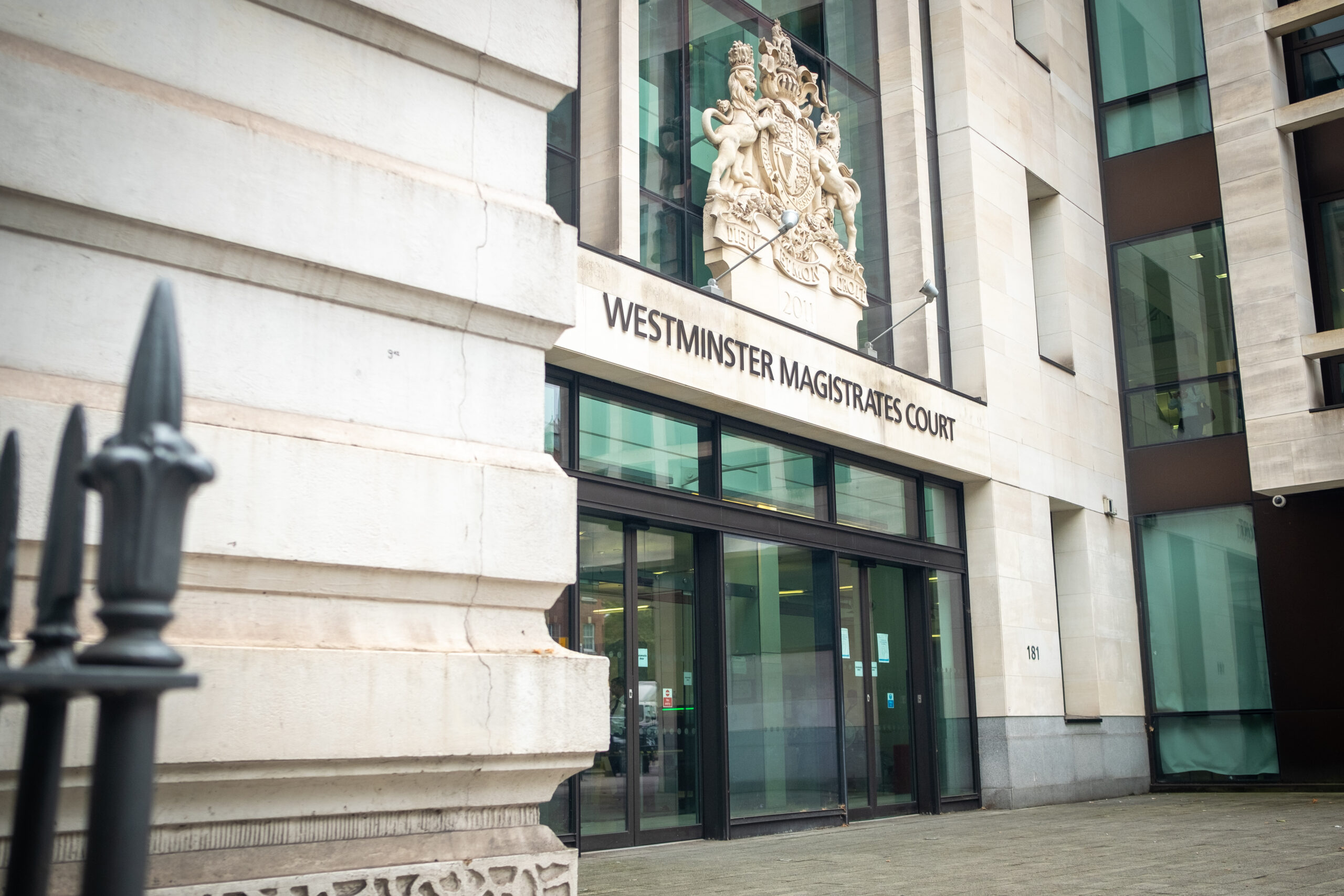
In a recent case – R v Graham Linehan, Westminster Magistrates’ Court, 25 November 2025 – a district judge found the defendant not guilty of harassment under the Protection of Harassment Act 1997; although guilty of criminal damage for destroying a phone owned by the complainant. The harassment action was brought by Sophia Brooks, who was born a biological male but identifies as a woman and who champions LGBT rights.
The case is of special interest as the defendant, who has spoken in strong terms on the topic of trans rights, is a well-known writer and speaker, and responsible for the brilliant comedy series Father Ted. The case also raised more general issues concerning the acceptability of free speech and the rights of others not to be exposed to conduct amounting to harassment.
Facts and decision
The defendant posted more than 20 posts about the complainant over a period of 11 days. The messages included phrases which the judge described as ‘deeply unpleasant and unattractive’. Using phrases such as ‘sociopath’, ‘psycho’, ‘domestic terrorist’ ‘homophobic brats’, ‘grooming’ ‘scumbags’, malignant narcissists’ and ‘buffalo bill’ (serial killer in The Silence of the Lambs), he also posted pictures online of the complainant and referred to obtaining information about the complainant including where the complainant may study. He also regularly referred to the complainant with male pronouns, which the complainant described as rude, but not alarming or distressing under the 1997 Act.
The judge found the defendant guilty of criminal damage, but not guilty of harassment. In the judge’s view, the course of conduct did not cross the threshold of being ‘oppressive and unacceptable’ beyond being merely unattractive, annoying or irritating. Further, the gravity of the conduct was not sufficient to sustain criminal liability, given the context of the dispute and the exchanges. That context included the defendant’s genuine belief that the complainant had been infiltrating and disrupting gender-critical events. This belief is also protected by Article 9 of the European Convention, provided it is not inconsistent with basic notions under the Convention, or an unreasonable attack on the democratic rights of others.
Other factors included the complainant’s online conduct towards others – in other words a strong defence of the counter argument – and the fact that most of the posts had not tagged the complainant. Further the court found that the complainant was not as alarmed and distressed as had been portrayed in the case brought against the defendant.
Commentary
The 1997 Act can be used to restrain or seek redress for various acts of personal intrusion, such as persistent abuse, criticism and other personal attacks.
Section 1(1) of the 1997 Act provides that a person must not pursue a course of conduct, (a) which amounts to harassment of another, and (b) which he knows or ought to know amounts to harassment of the other. Under, s.1(3)(c), there is a defence where the course of conduct was reasonable, which allows the courts to consider free speech norms and to balance free speech with the other interests of the claimant. Thus, the behaviour must reach a certain level of seriousness before it amounts to harassment, and there is a boundary between conduct which was unattractive, even unreasonable, and conduct which was oppressive and unacceptable. Thus, the Act provides a suitable framework for balancing both the interests in free speech and private life.
The decision in this case can be contrasted with the recent decision in Hibbert v Hall [2024] EWHC 2677 (KB), involving individuals who had suffered life-changing industries during the bombings at the Manchester Arena in 2017. They brought a harassment action against an independent journalist, who repeatedly claimed that it was an elaborate hoax orchestrated by public sector agencies, and involved ordinary citizens, including the claimants, portraying fake injuries. The claimants also complained of the defendant’s continued publication of four videos, a film and a book in which he accused them of lying about their presence at the arena and their injuries and that he had attended the daughter’s home and secretly filmed her without permission.
The High Court held that that course of conduct was unacceptable and oppressive, not merely unattractive or unreasonable. Although the defendant’s Article 8 (private and family life) and Article 10 (freedom of expression) were engaged in this case, the defendant had repeatedly published false allegations over many years on a variety of platforms and had done so for commercial gain. Further, that conduct had a natural tendency to cause serious distress, especially when those targeted were vulnerable.
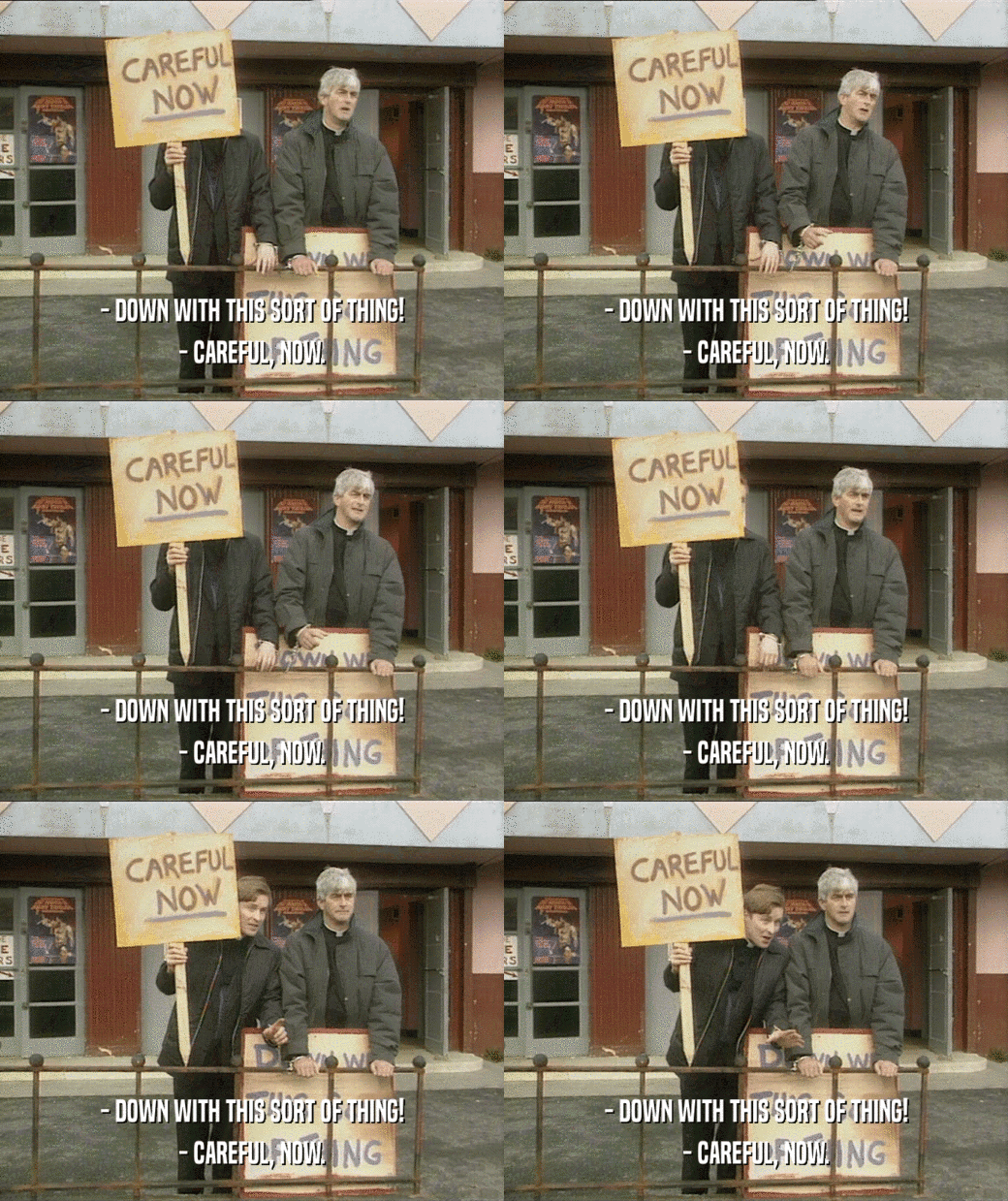
Graham Linehan co-created several famous television series, including Father Ted, Black Books, The IT Crowd, and Count Arthur Strong.
In this case, the defendant claimed that he had engaged in the course of conduct for the purposes of the detection and prevention of crime, and that it was reasonable in all the circumstances. However, the court found that although the subject-matter of the attack was important, the words spoken and written by the defendant were not. The false allegations were grave and had led a very large number of people to wrongly believe that the attack was a hoax, that the claimants were not injured in the attack, which amounted to unreasonable conduct. The defendant was subsequently ordered to pay £45,000 by way of damages to the claimants.
The facts and decision in Hibbert are obviously very different from the present case and the normal caution showed by the courts in finding a breach of the 1997 Act, where there is a genuine attempt to engage in a public debate, was rightfully not followed in that case. The present decision will be seen as a victory for those who advocate free speech, including the right to disagree with prevalent views on sexual diversity and equality. This is particularly important when the words used by the defendant are in response to counter views expressed by the complainant (or their supporters). The law thus allows a certain level of ‘tit-for-tat’ in this context, and the involvement of the complainant was vital to the finding in this case. On the other hand, the law should ensure that the boundary separating strong, but acceptable speech and harassment and does not justify unreasonable and harmful attacks on individuals, and groups, because of their beliefs or sexual orientation and practices. This is particularly so as the state owes a duty (in domestic law and under the European convention) to secure equality and diversity and provide redress in appropriate cases. Whether the magistrates achieved that balance in this case is debatable, and as the law is being developed on a case-by-case basis, another court, on similar facts, might have convicted.

Leave a Reply